Serving Lima Township, MI
Lima Township MI Wine Cellars | Below-Grade and Rural Properties
Lima Township sits between Chelsea and Ann Arbor with I-94 running east to west through its centre, and it is one of the better parts of the county for below-grade cellar work. Ann Arbor Wine Cellars builds subterranean cellars here more often than in most townships, because the ground is generally dry and the rural properties have the space for proper mechanical rooms. The township had 4,024 residents at the 2020 census, spread thinly enough that most properties have room to site equipment well away from living space.
Lima Township MI Wine Cellars
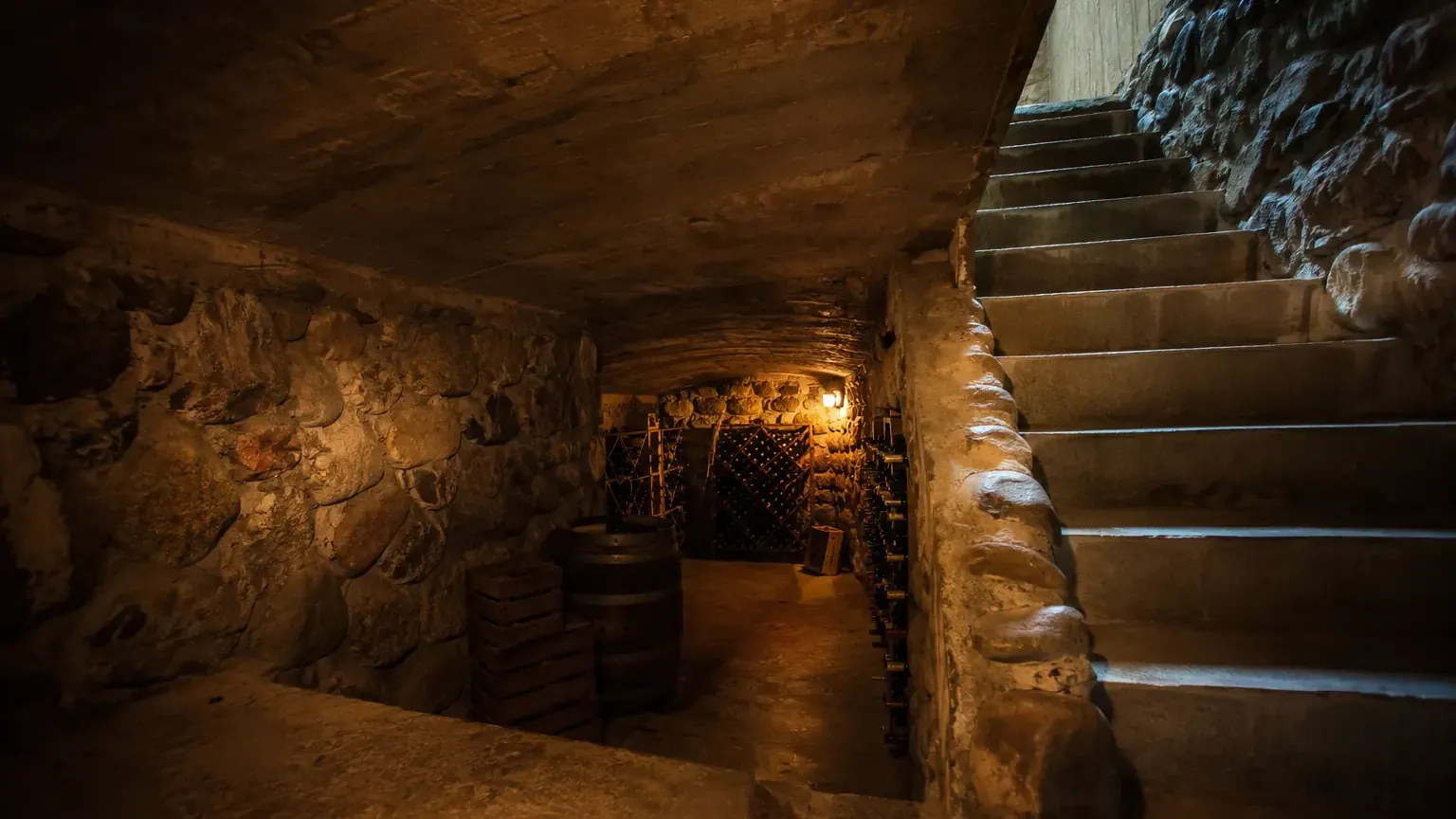
Below-grade cellars are the most thermally efficient rooms we build, and Lima Township is one of the places where the ground conditions usually allow them.
- Generally dry ground makes subterranean construction viable here
- Below-grade rooms hold temperature longest during a power outage
- Rural parcels allow mechanical rooms and remote condenser siting
- Properties near I-94 may benefit from acoustic treatment
The advantage of going below grade is thermal. Soil temperature is far more stable than air temperature, so the cooling system does less work through a Michigan summer and the room drifts only a few degrees over a day without power. Where the ground allows it, as it usually does here, it is the most efficient cellar you can build.
Lima Township conditions
- Ground
- Generally dry, below grade viable
- Parcels
- Rural, room for mechanical space
- Cooling
- Split systems, remote condensers
- Notable feature
- I-94 through the centre
What sets Lima Township apart for cellar work
The township contains the unincorporated communities of Fourmile Lake and Jerusalem, and I-94 runs east to west through its centre. Outside the highway corridor it is rural and thinly populated, at around 89 people per square mile.
- Generally dry ground across the township makes subterranean cellar construction viable without the extensive drainage packages needed in the low-lying south of the county.
- Below-grade rooms benefit from stable soil temperature, needing less cooling capacity and drifting only a few degrees over a day without power.
- Rural parcels here usually have room for a proper mechanical space, which makes ducted cooling and redundancy practical rather than awkward.
- Properties close to the I-94 corridor occasionally justify acoustic treatment in the cellar assembly, which is unnecessary elsewhere in the township.
Below-grade cellars in Lima Township often carry lower mechanical costs than an equivalent above-grade room elsewhere, because the stable soil temperature reduces the required cooling capacity.
Where drainage work is needed it goes in first, but on most properties here the ground is dry enough that the preparatory package common further south is unnecessary.
How our work applies in Lima Township
Dry ground makes below-grade work viable here, which changes what most of these services involve.
| Service | What it involves in Lima Township |
|---|---|
| Underground Wine Cellars | Subterranean cellars in the dry ground common across Lima Township. |
| Wine Cellar Design & Build | Design and build with the heat load calculated for below-grade conditions. |
| Wine Cellar Cooling System Installation | Split systems with condensers sited well away from living space. |
| Wine Cellar Soundproofing | Acoustic treatment for properties near the I-94 corridor. |
| Stone & Brick Wine Cellar Construction | Masonry and stone work for below-grade cellars with real thermal mass. |
| Wine Cellar Backup Cooling Systems | Monitoring and redundancy for rural properties away from the grid centre. |
How a Lima Township cellar project runs
Assess the ground
We check drainage and moisture conditions before designing any below-grade Lima Township cellar, ideally after wet weather.
Use the thermal advantage
Cooling is sized for below-grade conditions, which usually means less capacity than an equivalent room above ground.
Build the envelope
Framing is held clear of the below-grade masonry and the envelope is sealed and vapour controlled throughout.
Log through a cycle
The Lima Township cellar is run at temperature and logged across a full weather cycle before the collection goes in.
Wine cellar questions from Lima Township
Is below grade better than above grade?
Thermally, yes, and by a meaningful margin. Soil temperature is far more stable than air temperature, so the cooling works less and the room rides out a power cut for far longer.
The catch is that below grade only works where the ground is dry enough, which in Lima Township it usually is.
How long will a below-grade cellar hold without power?
Typically only a few degrees of drift over 24 hours if the door stays shut, because the surrounding soil and the bottles themselves hold a great deal of thermal energy.
That is considerably better than an above-grade room, which can reach a concerning point within a day.
Will I-94 noise affect my cellar?
Only on properties close to the corridor, and only if the cellar is a room you sit in for long periods. Storage rooms are unaffected.
Where it matters, acoustic treatment in the wall assembly addresses it, and it is far cheaper built in than added later.
Do I need to be present while you build my Lima Township cellar?
No, beyond the survey and elevation approval. Below-grade work is the least disruptive kind, often accessible from a separate basement entrance.
We need access to the sump discharge and the panel during any drainage phase.
Do you offer free quotes for wine cellars in Lima Township?
Yes, including the site visit. For below-grade projects we prefer to visit after wet weather, since that tells us far more than a dry summer inspection.
Call 734-415-4984 to arrange it.
Do I still need a sump pump if the ground is dry?
We still specify drainage and pumps on below-grade work, because dry ground today is not a guarantee across thirty years and a spring thaw is a different matter from an August visit.
The scale of the package is smaller here than it would be in Milan, but it is not omitted entirely.
Practical notes for Lima Township projects
Lima Township projects are mostly straightforward. These are the points that still come up.
- We prefer to inspect after wet weather, since a below-grade recommendation depends on what the ground does in spring rather than August.
- Below-grade rooms here hold temperature longest during an outage, drifting only a few degrees over a day if the door stays shut.
- Properties near the I-94 corridor occasionally justify acoustic treatment, though only if the cellar is a room you intend to sit in.
The most efficient cellar you can build
Lima Township ground usually allows below-grade work, which is the best-performing cellar there is.